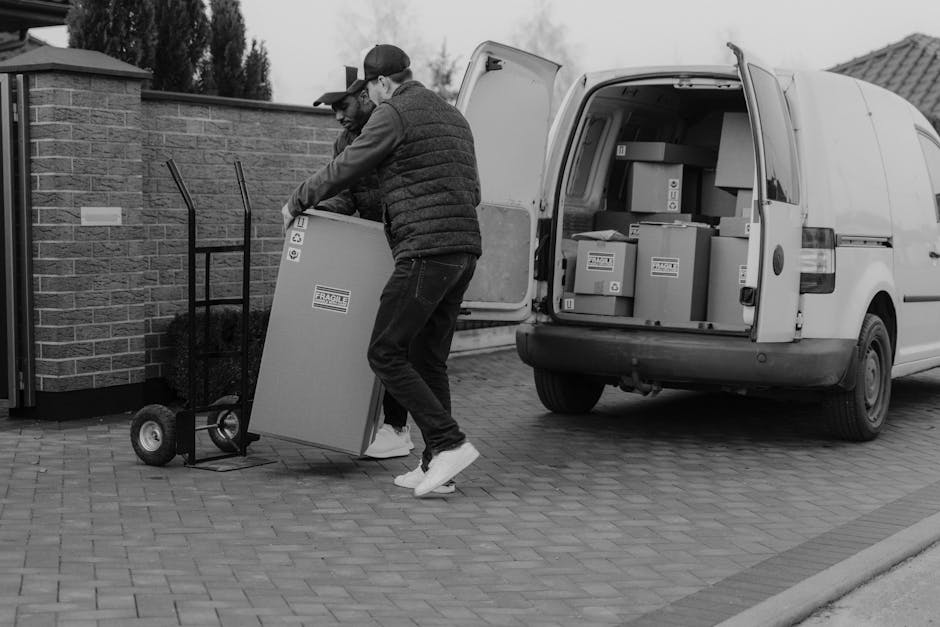
Man with van Tooting Bec guide for moving in SW17
If you are planning a move in SW17, the little details matter more than people think. Parking on a busy street, squeezing furniture through a tight hallway, and timing the job around school runs or rush-hour traffic can turn a simple move into a stressful day. This Man with van Tooting Bec guide for moving in SW17 brings the whole process down to earth: what the service actually involves, who it suits, how to prepare properly, and how to avoid the kind of mistakes that make moving day feel longer than it should. Truth be told, a well-planned van move can save a lot of time, money, and faff.
Whether you are relocating from a flat near Tooting Bec station, moving across SW17, or shifting a few bulky items into storage, this guide will help you make a sensible decision and get the job done with less friction.
Why Man with van Tooting Bec guide for moving in SW17 Matters
Tooting Bec and the wider SW17 area are lively, well-connected, and packed with the sort of housing that makes moving interesting: Victorian terraces, purpose-built flats, converted maisonettes, and compact modern apartments. That variety is great for finding a place to live, but it can make moving awkward. Narrow staircases, shared entrances, and limited parking are all part of the local picture.
That is why choosing the right moving setup matters. A man with van service is often the sweet spot between doing everything yourself and booking a large removal crew. You get transport, loading help, and someone who understands how to move items safely without overcomplicating the day. For many local moves, that balance is exactly what you need.
It also matters because moving is rarely just about furniture. You are moving your routine, your boxes of everyday life, and usually your patience too. A clear plan reduces stress. A decent van move helps keep the day moving, literally and otherwise.
For people comparing options, it can help to look at broader services too, such as man and van, movers, or more structured removal services. The right choice depends on volume, access, and how much lifting you want to do yourself.
How Man with van Tooting Bec guide for moving in SW17 Works
At its core, a man with van service is straightforward. A driver arrives with a suitable van, helps load your belongings, transports them to the new address, and unloads them where needed. Simple enough. The real value is in the coordination around that basic process.
Here is what usually happens in practice:
- You describe what needs moving, including the size, access points, and destination.
- The job is assessed, often with a quote based on time, distance, and volume.
- A van is allocated that fits the move properly, which is more important than people realise.
- On the day, items are loaded carefully and secured for transport.
- Everything is delivered and placed in the right rooms where possible.
Some moves are as quick as a few large items and a handful of boxes. Others involve a full flat clearance, a small house move, or an office shift with desks, chairs, and storage units. In those cases, you may want to combine the van with packing support or a larger vehicle. Services like packing and unpacking services can make a big difference if time is tight or if you simply do not want to spend the whole evening folding bubble wrap and tape, which, let's face it, nobody enjoys.
For bigger domestic moves, options such as home moves, house removals, or house movers may be more appropriate. A good mover will help you match the service to the scale of the job rather than pushing you into something oversized.
Key Benefits and Practical Advantages
A well-organised van move in Tooting Bec is popular for good reasons. It is not just about price, although cost is often a factor. It is about convenience, speed, and having someone who knows how to manage a move in a built-up London area.
- Better value for smaller moves: If you do not need a full lorry, a van-based service is often more sensible.
- Flexible for tight access: Smaller or medium vans can handle streets and parking constraints more easily than larger vehicles.
- Hands-on help: Loading and unloading assistance reduces the strain on you and your friends who agreed to help before they knew what they were signing up for.
- Time savings: A professional approach usually means less waiting, fewer trips, and less back-and-forth.
- Better handling of awkward items: Sofas, wardrobes, beds, and white goods need care and experience, not wishful thinking.
- Scales up or down: The same basic service can suit a student move, a flat relocation, or a partial office move.
If you are moving on a budget, a van service also helps you avoid paying for unused capacity. That is a common mistake: booking a huge vehicle because it sounds safer, only to discover that half the space is empty and the quote reflects it.
For many readers, the practical question is not "Do I need a moving company?" but "What is the most sensible size and level of help for my move?" That is where this guide is useful.
Who This Is For and When It Makes Sense
This type of move makes sense for a surprisingly wide range of people. If your move is relatively local, your item count is moderate, and you want loading help without the formality of a full-scale removal truck, it is often the right call.
Typical situations include:
- Flat moves within SW17: ideal when you are changing address but not moving a whole house.
- Students and young professionals: perfect for box-heavy moves with a few key pieces of furniture.
- Landlords and tenants: useful for end-of-tenancy clearances or quick turnarounds.
- Small business owners: helpful for moving stock, office furniture, or equipment.
- Marketplace pickups: great when you need to collect something too large for a car.
- Partial moves: useful if you are moving only selected rooms, storage items, or bulky furniture.
If your move is more complex, it is worth looking at commercial moves for business relocation, or office removals for desks and workplace equipment. For a full home relocation, a stronger fit might be house removalists or a dedicated removal company.
Not sure where you sit? That is normal. Most people are in the middle somewhere, not neatly in one box. A quick conversation about what you own and what you are moving usually clarifies things fast.
Step-by-Step Guidance
Here is the simplest way to approach your move in SW17 without making it harder than it needs to be.
1. Make a realistic list of what is going
Start with the obvious items: beds, wardrobes, sofas, boxes, appliances, mirrors, bikes, plants. Then count the smaller things. Those "small" items pile up quickly, especially if you have lived in one place for a while. One box becomes eight. It happens all the time.
2. Check access at both addresses
Measure stairwells, note whether there is a lift, check for narrow hallways, and think about where the van can stop. In Tooting Bec, parking can be the difference between a smooth load and a half-hour shuffle with a trolley and crossed fingers. If either property has awkward access, mention it upfront.
3. Decide how much help you need
Some people only need transport. Others need full loading and unloading. A few need help with dismantling beds, wrapping furniture, and setting things down in the new place. Be honest here. It saves time and avoids awkward surprises.
4. Ask for a quote that reflects the real move
Good quotes are based on the actual size of the job, the time required, and any access issues. For guidance on how pricing is usually structured, see pricing and quotes. If you are comparing payment methods or want reassurance around checkout, it is also sensible to read about payment and security.
5. Prepare the items before moving day
Pack boxes tightly, label them clearly, and separate essentials. If something is fragile, say so. If something is heavy but awkward, say so too. A label that says "FRAGILE - glass" is useful, but a note that says "left drawer sticks" is even better. Small detail, big help.
6. Keep the first-load essentials accessible
Put kettle, chargers, toiletries, documents, and a change of clothes somewhere easy to reach. The first evening in a new home can feel much longer if you cannot find the basics. That is one of those things you only learn the hard way once.
7. Walk through the new place before unloading
Open doors, check where furniture should go, and clear a path. If you can direct items to the right room on arrival, the unloading stage is quicker and much less chaotic.
Expert Tips for Better Results
In our experience, a good move is often won before the van arrives. Not glamorous, I know, but true.
- Book earlier than you think you need to: especially around month-end, weekends, and holiday periods.
- Disassemble what you can: beds and table legs are easier to move in smaller pieces.
- Use proper packing materials: old supermarket boxes can work, but only if they are strong enough and not already sagging.
- Keep heavy items low: books, files, and kitchenware are best packed into smaller boxes so no one gets a surprise shoulder workout.
- Protect floors and corners: a small bit of care stops avoidable scuffs in both properties.
- Label boxes by room and priority: "kitchen - everyday" beats "misc" every time.
- Tell the mover about awkward access: if there is no lift or the parking is tight, say it early.
One small local observation: in SW17, a move that starts at 8:00 a.m. can feel very different from one that starts at midday. Morning is usually calmer. There is less traffic, fewer interruptions, and a better chance of finding a workable parking spot. Not always, but usually.
If the move includes delicate furniture or larger pieces, you may also want to review insurance and safety and the company's health and safety policy. It is not the exciting part of moving, but it is the sensible part.
Common Mistakes to Avoid
Most move-day problems are preventable. The same mistakes crop up again and again, and honestly, they are easy to dodge if you know what to look for.
- Underestimating the volume: people often forget how much a home actually contains until they start packing.
- Not checking parking: a van is only useful if it can reasonably stop near the property.
- Packing too late: last-minute boxes are usually badly sealed, badly labelled, and badly cursed.
- Leaving essentials in random bags: that leads to a lot of post-move rummaging.
- Ignoring building rules: some flats have move-in procedures, lift bookings, or access windows.
- Assuming all services are the same: a simple man with van job is not always the right fit for a larger house move.
- Forgetting to ask about disposal: if you need old items taken away, discuss it ahead of time rather than on the doorstep.
People also sometimes mix up van hire with a full moving service. Van hire alone means you are often doing the lifting and loading. A staffed service is different. That distinction matters more than the wording suggests.
Tools, Resources and Recommendations
You do not need a van load of fancy gear, but a few basics make life easier.
- Strong boxes: standard double-walled boxes are worth it for anything heavy or fragile.
- Packing tape and a dispenser: boring, yes; essential, also yes.
- Marker pens and labels: avoid mystery boxes unless you enjoy future guesswork.
- Blankets and wraps: useful for furniture surfaces and door frames.
- Trolley or sack truck: handy for boxes, appliances, and heavier items.
- Tools for dismantling: keep screws and fittings in a labelled bag taped to the item.
- Cleaning supplies: a quick wipe-down before leaving the old place always feels better.
If you are clearing out old items rather than moving everything, furniture pick up can be useful for single items or bulky pieces. For people moving furniture between homes or storage, a broader removal van or removals van may offer the right level of flexibility.
When comparing providers, it can also help to understand whether you need a straightforward man with van arrangement or a more structured man with van removal service that is designed specifically around removals rather than transport alone.
Law, Compliance, Standards, or Best Practice
Moving home or office in London is not a heavily regulated experience in the way some industries are, but there are still sensible standards to look for. You want a provider that works carefully, handles goods responsibly, and is clear about terms, payments, and what is included.
From a best-practice point of view, check the following:
- Clear quotation terms: you should know what is included before the move starts.
- Insurance awareness: a reputable mover should be able to explain how items are protected in transit.
- Safe lifting and handling: awkward or heavy items should be moved with care, not rushed.
- Transparent conditions: service terms should be easy to understand, not buried in vague language.
- Complaint process: a proper business should have a route for dealing with issues fairly.
It is also a good sign when a company is open about its policies. Pages such as terms and conditions, privacy policy, cookie policy, and complaints procedure are useful markers of a more established, accountable business. Likewise, if sustainability matters to you, the company's recycling and sustainability approach may be worth a look.
For readers who value company background and working standards, the about us page can help explain who is behind the service and how they work. It is a small thing, but it often adds confidence.
Options, Methods, or Comparison Table
Here is a simple comparison to help you choose the right moving method for SW17.
| Option | Best for | Pros | Watch out for |
|---|---|---|---|
| Man with van | Small to medium local moves | Flexible, practical, often cost-effective | May not suit large house contents |
| Man and van | Light removals, collections, short relocations | Good for quick jobs and fewer items | Check how much loading help is included |
| Full removal service | Whole-home or more complex moves | More support, better for volume and fragile items | Usually more expensive than a smaller van job |
| Office relocation service | Business moves and equipment transport | Useful planning and coordination | Needs stronger scheduling and access control |
The right option depends less on status and more on reality. How much are you moving? How far? What access do you have? How many hands do you need? Answer those honestly and the choice becomes clearer very quickly.
For larger jobs, removals, removal company, or removal companies may be better suited. For lighter or more direct moves, the van-based approach remains a strong, sensible option.
Case Study or Real-World Example
Picture a typical SW17 move. A tenant in a one-bedroom flat near Tooting Bec needs to move a bed frame, mattress, sofa, desk, six boxes, a bike, and a few kitchen items to a new place just a couple of streets away. Nothing enormous, but awkward enough to be annoying in a car.
They book a van service for a morning slot. Before the move, they disassemble the bed, label the boxes, and make sure the hallway is clear. The mover arrives, parks as close as possible, and helps carry the heavier items down the stairs. Because the access was explained in advance, the van size is right and the job finishes without a second trip. No drama. No crushed table leg. No desperate hunt for parcel tape at 7:30 a.m.
Now compare that with a less prepared version of the same move. Boxes are half-packed, the desk is still assembled, parking is not checked, and the new flat has a tricky entrance. Suddenly the day takes longer, everyone gets a bit frazzled, and the move feels twice as big as it actually was. Same items. Very different experience.
Practical takeaway: the service matters, but preparation matters just as much. A well-prepared smaller move often beats a poorly planned big one.
Practical Checklist
Use this checklist the day before moving:
- Confirm date, time, and pickup/delivery addresses.
- Share access details for both properties.
- Check parking and any restrictions.
- Pack and label boxes by room.
- Keep valuables and documents with you.
- Disassemble furniture that needs it.
- Protect mirrors, screens, and fragile items.
- Set aside essentials for the first night.
- Make sure keys are ready and accessible.
- Tell the mover about anything heavy, awkward, or fragile.
- Review the relevant service information on removals near me if you are still comparing local options.
Get a free quote today and see how much you can save.
Conclusion
A move in SW17 does not have to be a headache. With the right planning, a suitably sized van, and honest communication about access and volume, you can keep things calm and efficient. That is really the heart of this guide: make the move fit the reality of your home, not the other way round.
If you are moving a few rooms' worth of belongings, relocating a flat, or shifting furniture locally around Tooting Bec, a man with van setup can be a smart, flexible solution. The key is choosing the right level of help and preparing well enough that the day feels manageable instead of rushed.
And when the last box is in, the kettle is unpacked, and the place starts to feel like yours again, the whole thing usually makes sense in a way it never did at 6:45 that morning. Funny how that works.
Frequently Asked Questions
What does a man with van service usually include in SW17?
It usually includes a suitable van, transport for your belongings, and help with loading and unloading. Some services also include dismantling, assembly, or packing support if arranged in advance.
Is a man with van good for a flat move in Tooting Bec?
Yes, very often. It is a strong option for flat moves because it suits smaller to medium volumes and can work well in streets where parking and access are tight.
How far in advance should I book a van move?
As early as you can, especially if your move is at the end of the month, on a weekend, or during a busy season. Short-notice bookings can work, but availability is usually better with notice.
How do I know whether I need a man with van or a full removal service?
If you are moving a small to medium amount of furniture and boxes, a van service may be enough. If you are moving an entire household, lots of fragile items, or need major coordination, a fuller removal service is usually better.
Can a man with van help with loading heavy furniture?
Yes, that is one of the main benefits. Always mention heavy items upfront so the right equipment and time can be planned.
What should I tell the mover before moving day?
Share the number of boxes, large furniture, access details, parking issues, stairs, lifts, and any fragile or difficult items. The more accurate the information, the smoother the move tends to be.
Are there things I should keep with me instead of putting in the van?
Yes. Keep valuables, passports, medication, keys, chargers, and important documents with you. A first-night bag is also worth preparing.
Can I use this type of service for furniture pick-ups only?
Absolutely. It is a practical choice for one-off collections, bulky purchases, or small deliveries. For that sort of job, furniture pick up can be especially handy.
What if I have items that need recycling or disposal?
Ask about disposal or clearance options before the job starts. If the move involves unwanted furniture or mixed items, planning that separately avoids confusion on the day.
Is it worth paying for packing help?
If you are short on time, moving a lot of breakables, or juggling work and family life, packing help can be worth it. It often reduces stress more than people expect.
What if my new place has difficult access or no lift?
Say so early. Stairs, narrow hallways, and no lift do not rule out the move, but they do affect planning, timing, and sometimes vehicle choice.
How can I compare providers without getting overwhelmed?
Focus on three things: what is included, how clear the pricing is, and whether the company answers your questions properly. A good provider should make the move easier, not more confusing.